Vintage Garden Seeds
White Mulberry (Morus alba) Seeds
White Mulberry (Morus alba) Seeds
Regular price
€14,00 EUR
Regular price
€24,99 EUR
Sale price
€14,00 EUR
Quantity
Couldn't load pickup availability
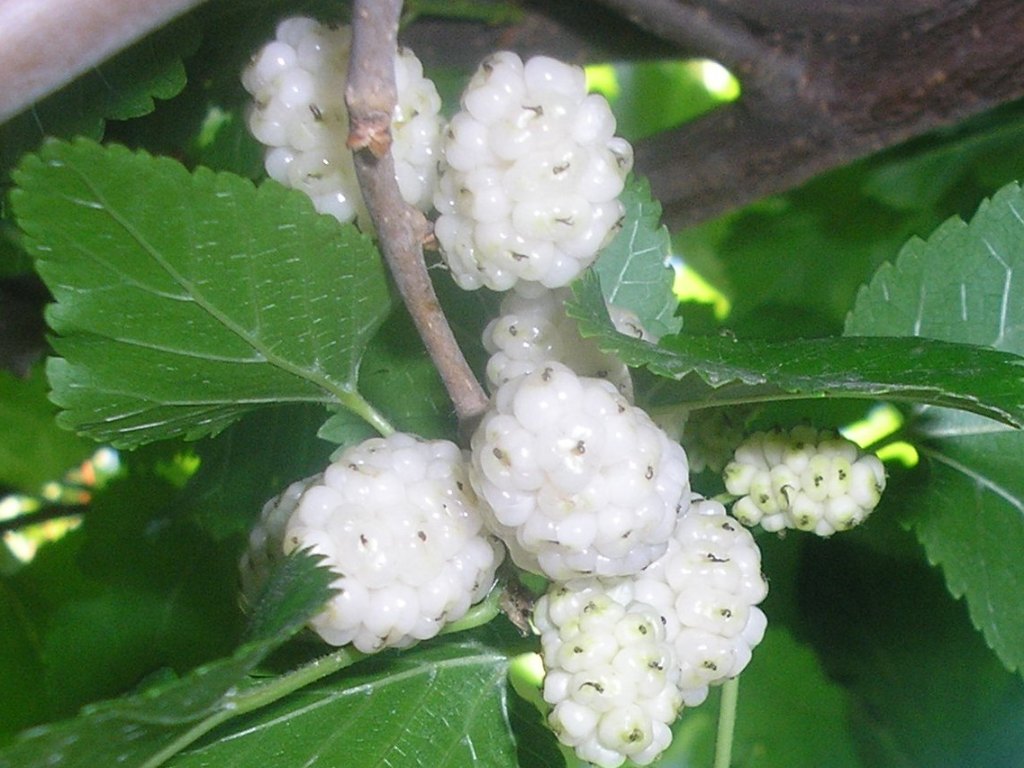
White Mulberry (Morus alba) is a hardy, fast-growing deciduous fruit tree originally native to Asia and now naturalized across North America. Renowned for its sweet, white to pinkish berries and beautiful heart-shaped leaves, this tree offers ornamental beauty and edible productivity in equal measure.
The Non-GMO White Mulberry thrives in a wide range of soil and climate conditions. It’s a low-maintenance tree perfect for home orchards, edible gardens, and reforestation projects. The berries attract birds, butterflies, and pollinators, making it an ecologically beneficial addition to any landscape.
Features
- Produces clusters of sweet, white to pinkish-purple berries
- Non-GMO and highly adaptable to varied soils and climates
- Fast-growing and drought-tolerant once established
- Attractive foliage ideal for ornamental or edible gardens
- Excellent wildlife food source
- Suitable for reforestation, hedgerows, and naturalized areas
Specifications
- Scientific Name: Morus alba
- Common Name: White Mulberry
- Plant Type: Deciduous fruit tree
- Growth Height: 30–50 feet
- Spread: 20–40 feet
- USDA Hardiness Zones: 4–9
- Sunlight: Full sun to partial shade
- Soil Type: Well-drained loam, clay, or sandy soil; very adaptable
- Bloom Season: Spring (April–May)
- Fruit Season: Summer (June–August)
- Flower Color: Pale yellow-green catkins
- Fruit Color: White to pinkish or light purple
- Foliage: Glossy green turning golden in fall
- GMO Status: Non-GMO
- Planting Season: Spring or fall
- Sowing Depth: ¼–½ inch
- Germination Time: 30–90 days (cold stratification 60–90 days recommended)
- Watering Needs: Moderate; drought-tolerant after establishment
- Maintenance: Prune lightly in winter to maintain shape
- Wildlife Benefits: Attracts birds, pollinators, and small mammals
- Uses: Edible landscapes, wildlife gardens, reforestation, orchard plantings
Planting Guide
- Cold Stratify: Refrigerate seeds for 60–90 days before planting.
- Prepare Soil: Choose a sunny, well-drained location.
- Sow Seeds: Plant ¼–½ inch deep and water thoroughly.
- Light: Provide full sun for vigorous growth and fruiting.
- Watering: Keep soil moist during germination; reduce once established.
- Spacing: Space 15–25 feet apart for mature growth.
- Care: Prune annually during dormancy to maintain strong structure.