Vintage Garden Seeds
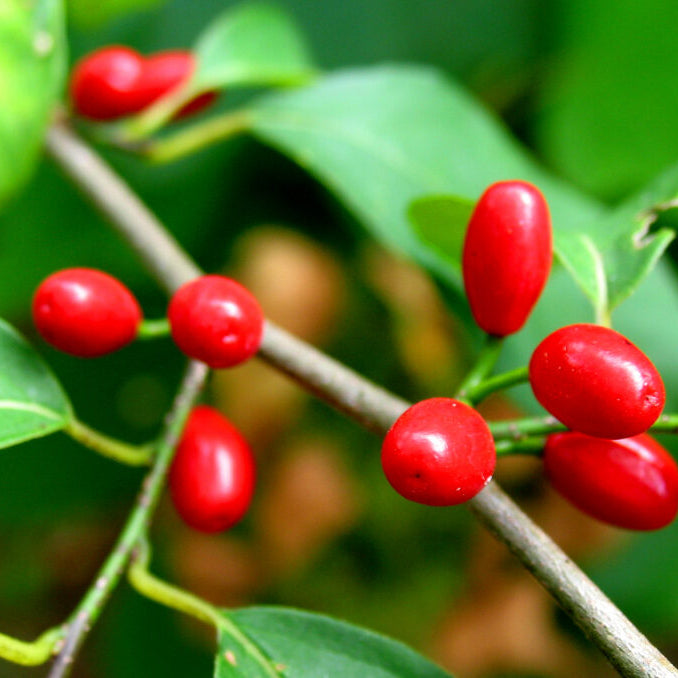
Spicebush (Lindera benzoin) Wild Allspice Northern Spice Bush Red Berry Yellow Flower Seeds
Spicebush (Lindera benzoin) Wild Allspice Northern Spice Bush Red Berry Yellow Flower Seeds
Regular price
€14,00 EUR
Regular price
€24,99 EUR
Sale price
€14,00 EUR
Quantity
Couldn't load pickup availability
The Spicebush (Lindera benzoin)—also known as Wild Allspice or Northern Spice Bush—is a fragrant, deciduous shrub native to eastern North America. It’s admired for its aromatic foliage, clusters of yellow spring blossoms, and brilliant red berries in fall that attract birds and butterflies.
These non-GMO spicebush seeds produce hardy shrubs that thrive in woodlands, gardens, and shaded borders. Spicebush adds ornamental beauty and ecological value, supporting pollinators and serving as a host plant for the Spicebush Swallowtail butterfly.
| Specification | Details |
|---|---|
| Scientific Name | Lindera benzoin |
| Common Names | Spicebush, Wild Allspice, Northern Spice Bush |
| Plant Type | Deciduous Shrub |
| Flower Color | Yellow |
| Fruit Color | Bright red berries |
| Season | Spring bloom; fall fruiting |
| USDA Hardiness Zones | 4–9 |
| Growth Habit | Upright, multi-stemmed shrub |
| Mature Height | 6–12 ft |
| Sunlight | Partial shade to full sun |
| Soil Type | Moist, well-drained, loamy soil; pH 5.5–7.0 |
| Water Needs | Moderate; prefers evenly moist conditions |
| Heirloom | Yes |
| GMO Status | Non-GMO |
| Organic Option | Available (check variant) |
| Bloom Time | Early to mid-spring |
| Pollination | Dioecious (male and female plants needed for fruit) |
Planting Guide
- Seed Stratification: Cold stratify seeds for 90–120 days in moist sand or peat at 35–40°F.
- Sowing Depth: ¼ inch deep in moist, well-draining soil.
- Light Requirements: Partial shade to dappled sunlight.
- Germination Time: 2–3 months after stratification.
- Watering: Keep soil consistently moist; avoid standing water.
- Spacing: 4–6 feet apart for shrub growth.
- Maintenance: Prune lightly after flowering to maintain shape and airflow.
Growing Tips
- Excellent for woodland gardens, wildlife habitats, and native landscapes.
- Grow both male and female plants for berry production.
- Mulch base with leaf litter or compost to retain moisture.
- Tolerant of clay and sandy soils once established.