Vintage Garden Seeds
Red Mulberry Tree Seeds - Morus rubra
Red Mulberry Tree Seeds - Morus rubra
Regular price
€14,00 EUR
Regular price
€24,99 EUR
Sale price
€14,00 EUR
Quantity
Couldn't load pickup availability
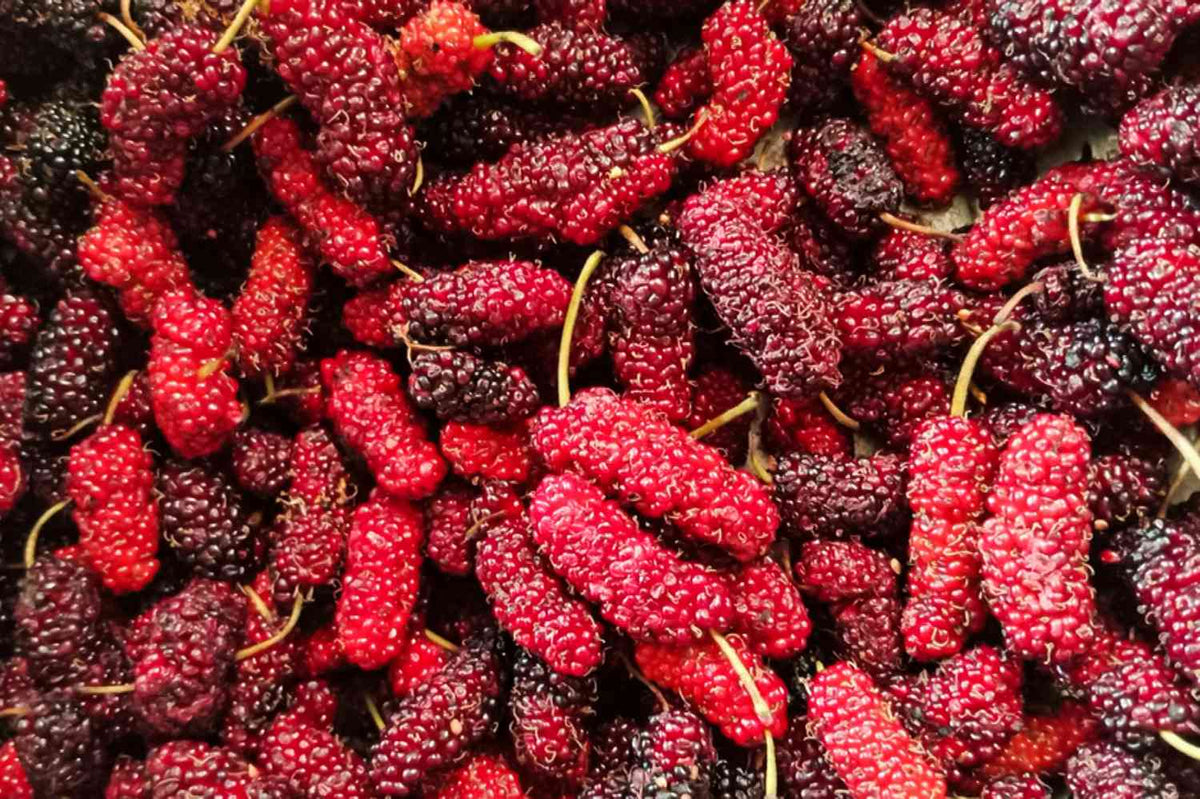
Red Mulberry (Morus rubra) is a fast-growing, hardy deciduous tree native to North America. It’s prized for its abundant clusters of sweet, juicy red-to-purple berries that attract birds, pollinators, and fruit lovers alike. The fruit resembles a blackberry and is excellent for eating fresh or making jams, jellies, and wines.
The Non-GMO Red Mulberry Tree also serves as a beautiful shade tree with large, heart-shaped leaves and a spreading canopy. Adaptable to a wide range of soil conditions, it’s ideal for edible landscaping, reforestation, or wildlife habitat restoration.
Features
- Produces sweet, edible red-purple berries
- Non-GMO, hardy, and fast-growing native species
- Attracts birds, butterflies, and pollinators
- Excellent for edible gardens, reforestation, and shade
- Tolerates various soils and light conditions
- Low-maintenance and long-lived
Specifications
- Scientific Name: Morus rubra
- Common Name: Red Mulberry
- Plant Type: Deciduous fruiting tree
- Growth Height: 30–60 feet
- Spread: 25–40 feet
- USDA Hardiness Zones: 4–9
- Sunlight: Full sun to partial shade
- Soil Type: Moist, well-drained loam or sandy soil; pH 5.5–7.5
- Bloom Season: Late spring
- Fruit Season: Summer (June–August)
- Flower Color: Greenish-yellow catkins
- Fruit Color: Red to deep purple when ripe
- Foliage: Green leaves turning yellow in fall
- GMO Status: Non-GMO
- Planting Season: Spring or fall
- Sowing Depth: ¼ inch
- Germination Time: 30–90 days (cold stratification for 60 days recommended)
- Watering Needs: Moderate; drought-tolerant once mature
- Maintenance: Light pruning to maintain shape
- Pollination: Self-fertile but higher yield with cross-pollination
- Wildlife Benefits: Attracts birds, bees, and butterflies
- Uses: Edible landscaping, wildlife habitat, shade tree, reforestation
Planting Guide
- Cold Stratify: Refrigerate seeds for 60 days in a moist medium before sowing.
- Prepare Soil: Use rich, well-drained soil in a sunny or lightly shaded location.
- Sow Seeds: Plant ¼ inch deep and water gently.
- Light: Provide full sun for best fruiting.
- Watering: Keep soil moist until seedlings establish.
- Spacing: 25–35 feet apart for orchard planting.
- Care: Mulch base to retain moisture and control weeds; prune lightly each winter.