Vintage Garden Seeds
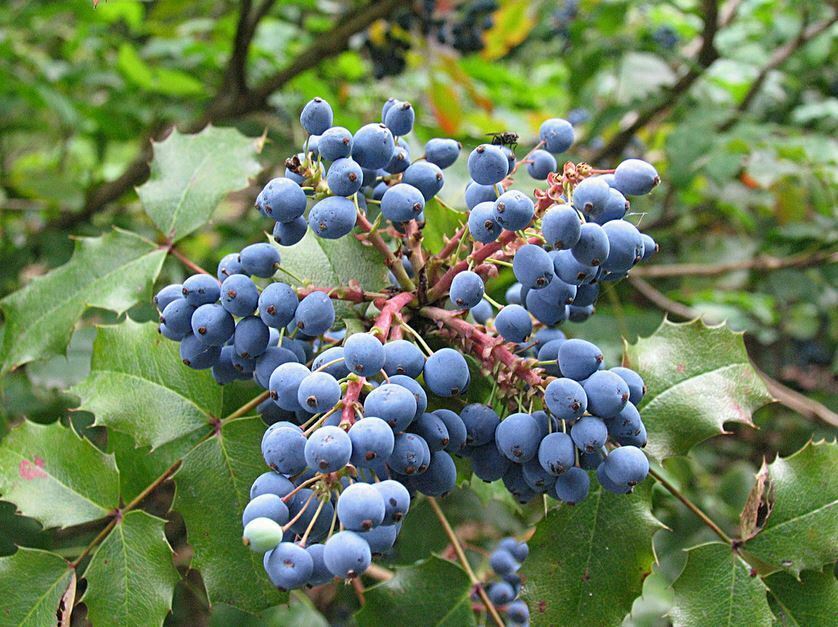
Oregon Grape Grape Seeds - Mahonia aquifolium
Oregon Grape Grape Seeds - Mahonia aquifolium
Regular price
€14,00 EUR
Regular price
€24,99 EUR
Sale price
€14,00 EUR
Quantity
Couldn't load pickup availability
Oregon Grape (Mahonia aquifolium) is a hardy, evergreen shrub native to the Pacific Northwest. It’s renowned for its glossy, holly-like foliage, clusters of bright yellow flowers in early spring, and tart, blue-purple berries that ripen in late summer. Both ornamental and useful, the berries are edible and rich in vitamin C, often used in jellies and natural dye production.
This Non-GMO Oregon Grape Shrub thrives in various soil conditions and is drought-tolerant once established. It’s also highly valued for erosion control, pollinator support, and year-round color in shade gardens or naturalized plantings.
Features
- Produces fragrant yellow spring flowers and blue-purple berries
- Non-GMO, hardy, and evergreen
- Drought- and shade-tolerant once established
- Edible berries suitable for jellies and wildlife foraging
- Excellent for erosion control and ornamental landscaping
- Low-maintenance and deer-resistant
Specifications
- Scientific Name: Mahonia aquifolium
- Common Name: Oregon Grape / Holly Grape
- Plant Type: Evergreen flowering shrub
- Growth Height: 3–6 feet
- Spread: 4–6 feet
- USDA Hardiness Zones: 5–9
- Sunlight: Full sun to partial shade
- Soil Type: Well-drained loam or sandy soil; pH 5.0–7.0
- Bloom Season: Early spring (March–April)
- Fruit Season: Late summer to early fall (July–September)
- Flower Color: Yellow
- Fruit Color: Blue to purple
- Foliage: Glossy green, turning bronze-red in winter
- GMO Status: Non-GMO
- Planting Season: Spring or fall
- Sowing Depth: ¼ inch
- Germination Time: 60–120 days (cold stratification for 90 days recommended)
- Watering Needs: Moderate; drought-tolerant once mature
- Maintenance: Minimal pruning to remove old or damaged stems
- Wildlife Benefits: Attracts pollinators, bees, and birds
- Uses: Ornamental hedges, wildlife habitat, erosion control, edible berries
Planting Guide
- Cold Stratify: Store seeds in moist medium for 90 days at 34–40°F before planting.
- Prepare Soil: Choose well-drained soil with partial shade to full sun exposure.
- Sow Seeds: Plant ¼ inch deep; keep moist but not soggy.
- Light: Prefers partial shade; tolerates full sun in cooler climates.
- Watering: Keep soil evenly moist until established.
- Spacing: 3–5 feet apart for hedges or mass plantings.
- Care: Prune after flowering to shape and encourage healthy new growth.