Vintage Garden Seeds
Medlar (Mespilus germanica) Seeds
Medlar (Mespilus germanica) Seeds
Couldn't load pickup availability
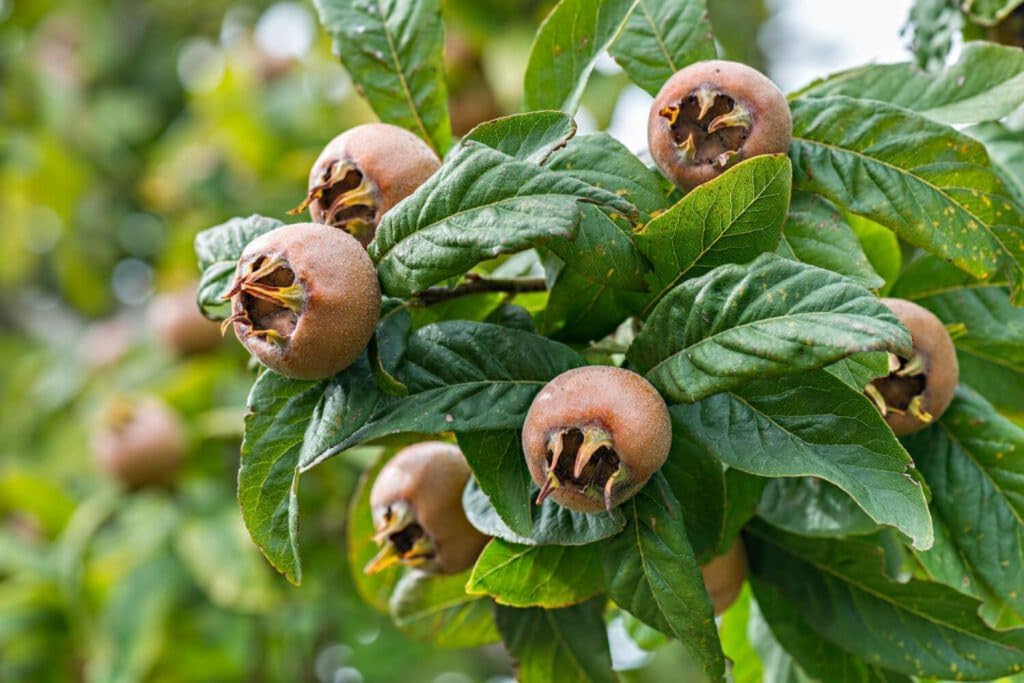
Medlar (Mespilus germanica) is a small, deciduous fruit tree prized for its ornamental value and ancient heritage. Native to Europe and Western Asia, this tree produces fragrant white blossoms in spring followed by round, russet-brown fruits that ripen in late autumn. Once softened by frost or storage (a process called “bletting”), the fruits develop a sweet, rich flavor similar to spiced applesauce.
This Non-GMO hardy tree is excellent for home orchards, edible landscaping, and traditional gardens. Its twisted branches, dark green leaves, and late-ripening fruit add beauty and seasonal interest throughout the year. Medlar is also a pollinator-friendly and low-maintenance plant suited for cool and temperate climates.
Features
- Produces unique, sweet fruits after frost or storage
- Non-GMO and cold-hardy fruit tree
- Fragrant white blossoms and glossy green foliage
- Compact and ornamental growth habit
- Tolerates a variety of soil types and climates
- Excellent for edible and heritage gardens
Specifications
- Scientific Name: Mespilus germanica
- Common Name: Medlar
- Plant Type: Deciduous fruit tree
- Growth Height: 10–20 feet
- Spread: 10–15 feet
- USDA Hardiness Zones: 5–8
- Sunlight: Full sun to light shade
- Soil Type: Well-drained loam or sandy soil; prefers slightly alkaline conditions
- Bloom Season: Spring (April–May)
- Fruit Season: Late autumn to early winter
- Flower Color: White, five-petaled
- Fruit Color: Russet-brown
- Foliage: Dark green turning golden in fall
- GMO Status: Non-GMO
- Planting Season: Spring or fall
- Sowing Depth: ½ inch
- Germination Time: 90–120 days (cold stratification for 90 days recommended)
- Watering Needs: Moderate; prefers consistent moisture
- Maintenance: Prune lightly in winter to maintain shape
- Wildlife Benefits: Attracts bees and other pollinators
- Uses: Edible gardens, heritage orchards, pollinator gardens, ornamental landscapes
Planting Guide
- Cold Stratify: Chill seeds for 90 days in moist medium before planting.
- Prepare Soil: Use rich, well-drained soil in a sunny location.
- Sow Seeds: Plant ½ inch deep; water thoroughly.
- Light: Provide full sunlight for strong growth and flowering.
- Watering: Keep soil moist but not soggy.
- Spacing: Space 10–15 feet apart for mature trees.
- Care: Prune in dormant season to shape and remove dead wood.