Vintage Garden Seeds
Hyssop (Hyssopus officinalis) Seeds
Hyssop (Hyssopus officinalis) Seeds
Regular price
€14,00 EUR
Regular price
€24,99 EUR
Sale price
€14,00 EUR
Quantity
Couldn't load pickup availability
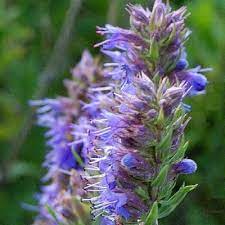
Hyssop (Hyssopus officinalis) is a fragrant, drought-tolerant perennial herb with striking blue to violet flower spikes that bloom through summer. Its upright growth, dense foliage, and nectar-rich flowers make it a standout in borders, rock gardens, sensory gardens, and pollinator habitats. Easy to grow in sunny, well-drained soils, Hyssop delivers long-lasting color and supports bees, butterflies, and other beneficial garden visitors.
Features
- Showy blue-purple flower spikes with aromatic foliage.
- Excellent pollinator plant attracting bees & butterflies.
- Drought-tolerant perennial once established.
- Ideal for sensory gardens, borders, and rock gardens.
- Non-GMO Hyssopus officinalis seed variety.
- Compact, upright growth with long bloom season.
Specifications
- Common Name: Hyssop
- Scientific Name: Hyssopus officinalis
- Plant Type: Perennial herb
- USDA Zones: 4–9
- Bloom Color: Blue to violet flower spikes
- Foliage: Fragrant, narrow dark-green leaves
- Height: 18–30 inches
- Spread: 12–18 inches
- Growth Habit: Upright, bushy
- Heirloom: Yes
- GMO Status: Non-GMO
- Organic: Not certified organic
- Light Requirements: Full sun
- Soil Preference: Well-drained, sandy to average soil
- Water Needs: Low to moderate; drought tolerant once established
- Bloom Season: Mid-summer to fall
- Pollinator Friendly: Yes (bees, butterflies)
- Maintenance Level: Low
- Plant Spacing: 12–18 inches
- Seed Viability: 2–3 years stored cool & dry
Planting Guide
- Start seeds indoors 6–8 weeks before last frost, or direct sow in spring.
- Lightly press seeds onto soil surface; cover with a thin layer (1/8 inch).
- Keep soil lightly moist until germination (14–28 days).
- Provide bright light and good air circulation for seedlings.
- Transplant outdoors after frost danger has passed.
- Choose full sun and well-drained soil for strongest blooms.
- Water moderately until established; reduce watering afterward.
- Trim after flowering to encourage bushier growth and reblooming.
- Leave seedheads in fall if self-seeding or wildlife interest is desired.