Vintage Garden Seeds
Butternut Tree Seeds - Juglans cinerea
Butternut Tree Seeds - Juglans cinerea
Regular price
€14,00 EUR
Regular price
€24,99 EUR
Sale price
€14,00 EUR
Quantity
Couldn't load pickup availability
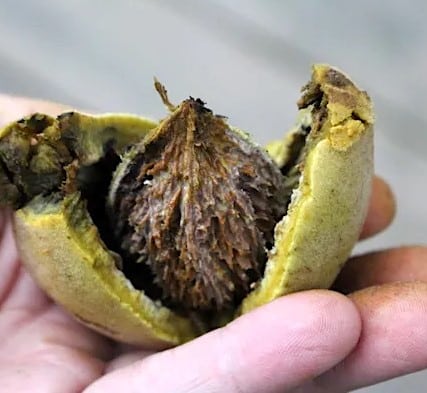
Butternut Tree (Juglans cinerea), also known as White Walnut, is a native North American hardwood tree prized for its rich, buttery-flavored edible nuts and pale, durable timber. Closely related to the black walnut, this tree produces oval nuts enclosed in sticky green husks and has a graceful, open canopy with silver-gray bark.
The Non-GMO Butternut Tree is a cold-hardy, long-lived species ideal for orchards, woodlots, and naturalized landscapes. Its nuts are highly nutritious, rich in healthy fats and proteins, and loved by both people and wildlife.
Features
- Produces delicious, buttery-flavored edible nuts
- Non-GMO, hardy, and long-lived native species
- Valuable for both nut production and fine-grain hardwood
- Cold-hardy and drought-tolerant once established
- Attracts squirrels, deer, and pollinators
- Excellent for reforestation, orchards, and shade planting
Specifications
- Scientific Name: Juglans cinerea
- Common Name: Butternut / White Walnut
- Plant Type: Deciduous nut tree
- Growth Height: 40–80 feet
- Spread: 35–60 feet
- USDA Hardiness Zones: 3–7
- Sunlight: Full sun
- Soil Type: Deep, fertile, well-drained loam; pH 6.0–7.5
- Bloom Season: Late spring
- Nut Season: Early to mid-fall (September–October)
- Flower Color: Greenish-yellow catkins
- Nut Color: Light brown shell with ridged husk
- Foliage: Green turning golden yellow in fall
- GMO Status: Non-GMO
- Planting Season: Spring or fall
- Sowing Depth: 1–2 inches
- Germination Time: 60–120 days (cold stratification for 90–120 days required)
- Watering Needs: Moderate; prefers moist, well-drained soil
- Maintenance: Minimal pruning; avoid overwatering young seedlings
- Wildlife Benefits: Nuts feed squirrels, birds, and deer
- Uses: Edible nut tree, timber, reforestation, shade tree, native woodland restoration
Planting Guide
- Cold Stratify: Refrigerate seeds for 90–120 days in moist medium to break dormancy.
- Prepare Soil: Choose deep, well-drained soil in a sunny location.
- Sow Seeds: Plant 1–2 inches deep; water thoroughly.
- Light: Provide full sunlight for strong growth.
- Watering: Keep soil moist during germination; reduce watering after establishment.
- Spacing: 30–50 feet apart for orchard or landscape planting.
- Care: Mulch to retain moisture; prune lightly in winter to shape young trees.