Vintage Garden Seeds
Black Walnut Tree Seeds - Juglans nigra
Black Walnut Tree Seeds - Juglans nigra
Regular price
€14,00 EUR
Regular price
€24,99 EUR
Sale price
€14,00 EUR
Quantity
Couldn't load pickup availability
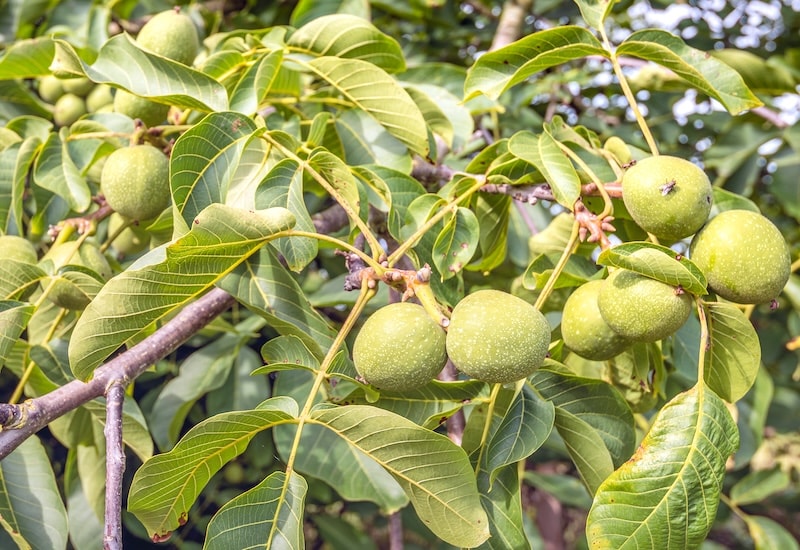
Black Walnut (Juglans nigra) is a majestic deciduous tree native to North America, prized for its delicious, high-protein nuts and valuable dark hardwood. This long-lived species is as functional as it is beautiful — producing shade, timber, and nutritious food for people and wildlife alike.
The Non-GMO Black Walnut Tree is hardy, drought-tolerant, and well-suited to a wide range of soils. Its deep roots improve soil structure, and its rich canopy provides cooling shade. Ideal for agroforestry systems, nut production, and restoration plantings, it’s a top choice for sustainable growers.
Features
- Produces edible black walnuts with rich, earthy flavor
- Non-GMO and long-lived hardwood tree
- Valuable for nut production and premium timber
- Hardy and drought-tolerant once established
- Attracts birds, squirrels, and pollinators
- Excellent for orchards, reforestation, and shade
Specifications
- Scientific Name: Juglans nigra
- Common Name: Black Walnut
- Plant Type: Deciduous nut tree
- Growth Height: 50–100 feet
- Spread: 50–75 feet
- USDA Hardiness Zones: 4–9
- Sunlight: Full sun
- Soil Type: Deep, fertile, well-drained loam; pH 6.0–7.5
- Bloom Season: Late spring
- Nut Season: Fall (September–October)
- Flower Color: Yellow-green catkins (male), small spikes (female)
- Nut Color: Dark brown shell with rich kernel inside
- Foliage: Green, turning golden yellow in fall
- GMO Status: Non-GMO
- Planting Season: Spring or fall
- Sowing Depth: 1–2 inches
- Germination Time: 60–120 days (requires cold stratification for 90–120 days)
- Watering Needs: Moderate; prefers consistent moisture during establishment
- Maintenance: Minimal pruning; avoid planting near sensitive crops due to juglone release
- Wildlife Benefits: Nuts feed squirrels and deer; habitat for birds and pollinators
- Uses: Nut production, timber tree, shade, reforestation, agroforestry
Planting Guide
- Cold Stratify: Place seeds in moist medium and refrigerate for 90–120 days.
- Prepare Soil: Choose a deep, fertile site with full sun and good drainage.
- Sow Seeds: Plant 1–2 inches deep; water thoroughly after planting.
- Light: Full sunlight is essential for strong trunk and canopy development.
- Watering: Keep soil evenly moist until seedlings are established.
- Spacing: 30–50 feet apart for orchard or timber spacing.
- Care: Mulch to retain moisture and prevent weed competition.