Vintage Garden Seeds
American Low Bush Cranberry Seeds - Vaccinium macrocarpon
American Low Bush Cranberry Seeds - Vaccinium macrocarpon
Regular price
€14,00 EUR
Regular price
€24,99 EUR
Sale price
€14,00 EUR
Quantity
Couldn't load pickup availability
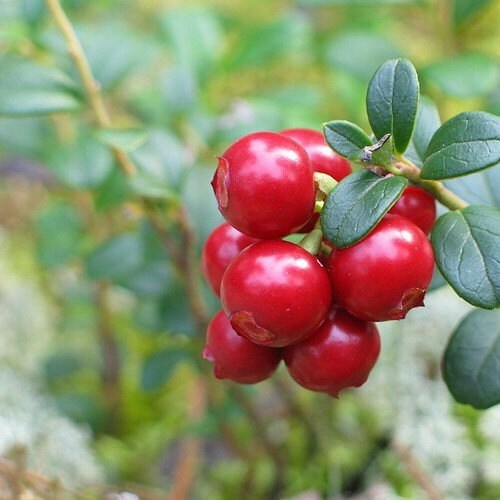
American Low Bush Cranberry (Vaccinium macrocarpon) is a cold-hardy, evergreen creeping shrub native to North America and widely cultivated for its tangy, vitamin-rich berries. These glossy red fruits are ideal for making sauces, juices, jams, and baked goods.
The Non-GMO Low Bush Cranberry Plant thrives in acidic, moist soils and performs well in containers, raised beds, or bog gardens. With small, glossy green leaves and pink-white flowers in spring, followed by bright red fruit in fall, it’s both ornamental and productive. Perfect for edible landscapes, pollinator gardens, and homesteads.
Features
- Produces edible, antioxidant-rich red cranberries
- Native North American species; Non-GMO
- Hardy, low-growing, and evergreen
- Excellent for edible gardens and naturalized plantings
- Perfect for acidic soil or bog-like growing conditions
- Attracts pollinators and wildlife
Specifications
- Scientific Name: Vaccinium macrocarpon
- Common Name: American Cranberry / Low Bush Cranberry
- Plant Type: Evergreen perennial shrub
- Growth Height: 4–10 inches
- Spread: 12–24 inches (creeping habit)
- USDA Hardiness Zones: 2–7
- Sunlight: Full sun to partial shade
- Soil Type: Acidic (pH 4.0–5.5), moist, sandy, or peaty soil
- Bloom Season: Late spring to early summer
- Fruit Season: Fall (September–October)
- Flower Color: Pale pink to white
- Fruit Color: Red
- Foliage: Small evergreen leaves turning bronze in winter
- GMO Status: Non-GMO
- Planting Season: Spring
- Sowing Depth: ⅛ inch
- Germination Time: 30–60 days (cold stratification for 60–90 days recommended)
- Watering Needs: High; prefers consistently moist soil
- Maintenance: Minimal; prune lightly to encourage spreading
- Wildlife Benefits: Berries feed birds; flowers attract bees
- Uses: Edible landscaping, container growing, bog gardens, wildlife habitats
Planting Guide
- Cold Stratify: Place seeds in a moist medium for 60–90 days at 34–40°F.
- Prepare Soil: Use acidic, sandy, or peaty soil with good drainage.
- Sow Seeds: Scatter lightly and cover with ⅛ inch of soil.
- Light: Provide full sun or partial shade for best fruiting.
- Watering: Keep soil moist at all times; avoid drying out.
- Spacing: 12–18 inches apart to allow creeping ground cover.
- Care: Mulch with peat moss to retain moisture and suppress weeds.