Vintage Garden Seeds
American Highbush Cranberry (Viburnum trilobum) – Red Fruit, White Flower Shrub Seeds
American Highbush Cranberry (Viburnum trilobum) – Red Fruit, White Flower Shrub Seeds
Regular price
€14,00 EUR
Regular price
€24,99 EUR
Sale price
€14,00 EUR
Quantity
Couldn't load pickup availability
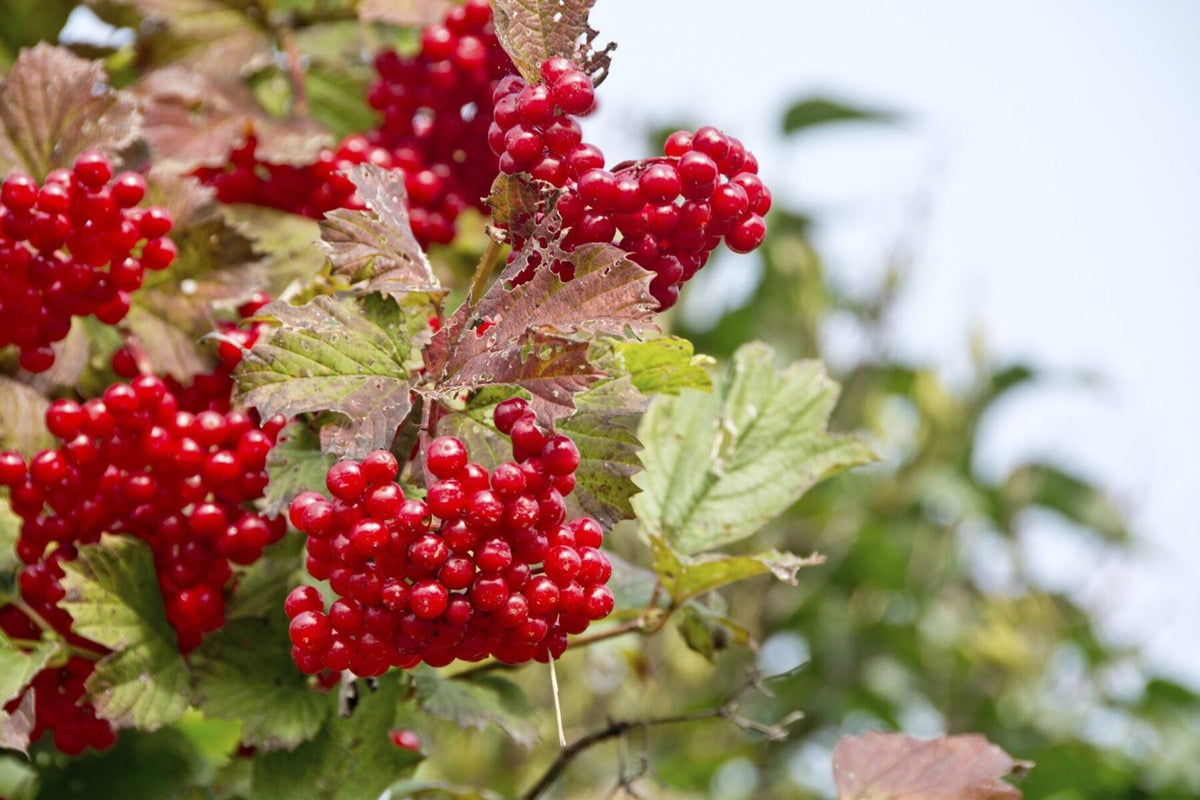
The American Highbush Cranberry (Viburnum trilobum) is a native North American shrub prized for its ornamental beauty and edible red fruits. It bursts into clusters of white blooms in spring, followed by bright red berries that persist into winter—providing both food for wildlife and color for the landscape.
These non-GMO highbush cranberry seeds produce hardy, fast-growing shrubs that thrive in cold climates and diverse soils. Perfect for hedges, wildlife plantings, or ornamental borders, this shrub adds year-round interest with vibrant foliage, flowers, and fruit.
| Specification | Details |
|---|---|
| Scientific Name | Viburnum trilobum |
| Common Names | American Highbush Cranberry, Cranberrybush Viburnum |
| Plant Type | Deciduous Fruiting Shrub |
| Fruit Color | Bright red |
| Season | Spring bloom; late summer to fall fruiting |
| USDA Hardiness Zones | 2–7 |
| Growth Habit | Upright, multi-stemmed shrub |
| Mature Height | 8–12 ft |
| Sunlight | Full sun to partial shade |
| Soil Type | Moist, well-drained loam; tolerates clay |
| Water Needs | Moderate; prefers moist conditions |
| Heirloom | Yes |
| GMO Status | Non-GMO |
| Organic Option | Available (check variant) |
| Bloom Time | Late spring |
| Pollination | Self-fertile; enhanced yield with cross-pollination |
Planting Guide
- Seed Stratification: Cold stratify for 90–120 days at 35–40°F in moist peat or sand.
- Sowing Depth: ¼ inch deep in moist, fertile soil.
- Germination Time: 8–12 weeks after stratification.
- Light Requirements: Full sun for best fruiting; tolerates partial shade.
- Spacing: 5–8 feet apart for hedges or group plantings.
- Watering: Keep soil consistently moist during establishment.
- Maintenance: Prune after flowering to shape and encourage new growth.
Growing Tips
- Ideal for cold and temperate climates.
- Tolerates wet soils and occasional flooding, making it great for rain gardens.
- Fruits are edible when cooked and make excellent jams and sauces.
- Attracts birds, butterflies, and pollinators throughout the season.
- Brilliant red berries and foliage make it a standout in fall landscapes.